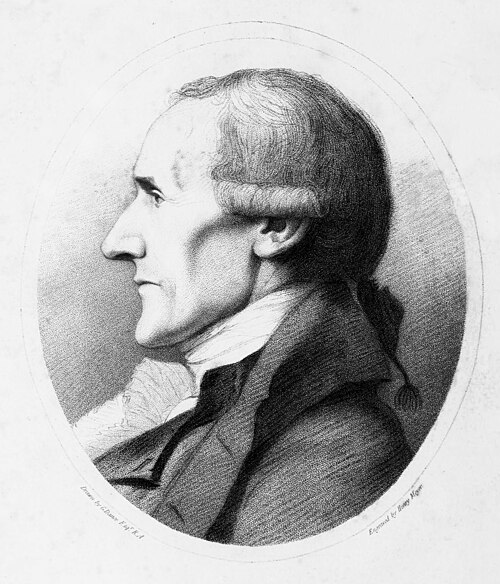
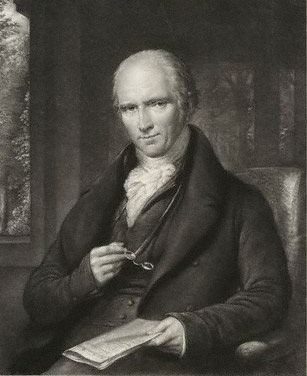
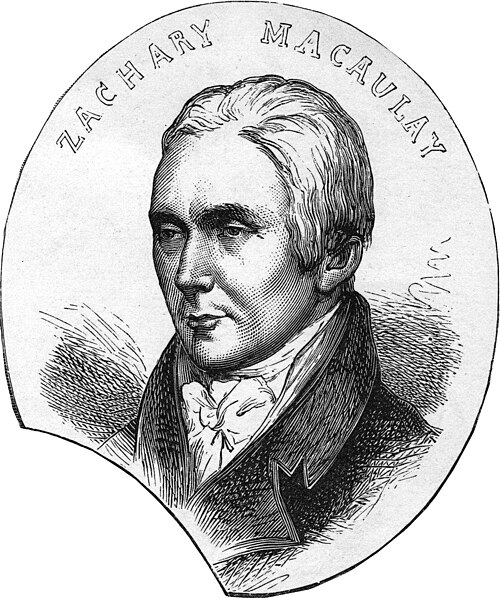
The way we gather, a household of many gifts bound first by affection for the Lord and for one another, is not a new idea. Two centuries ago a version of it sat around a common in south London, kept a fire between them, and changed a nation from the drawing room.
Not every room in the house is a sanctuary, and not every gathering of God's family looks like a Sunday service. The family gathers under the preached word, yes. But it also gathers at kitchen tables, in drawing rooms, over ledgers and letters and long walks. Some of what God does most decisively, He does in these ordinary rooms, among people who simply belong to Him and to one another.
The circle you are about to meet kept both, and never confused them. They sat under one parish roof on Sunday. And they did the work of a lifetime around each other's hearths the rest of the week. The drawing room did not replace the sanctuary; the sanctuary did not exhaust the family. This is the thing we keep losing and have to keep relearning, and it is the thing our community architecture is built to hold.
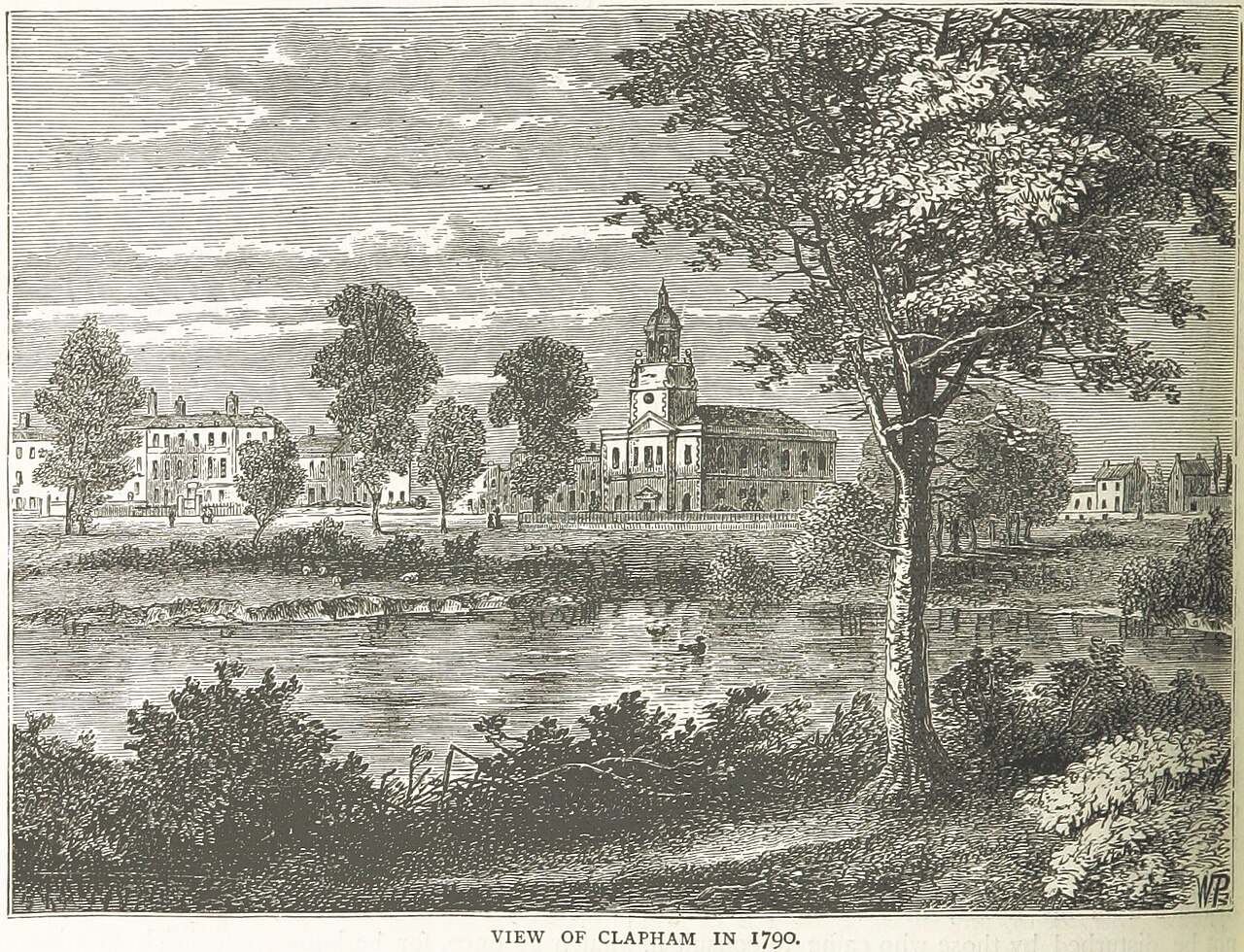
Clapham was then a village on the edge of London: a green common ringed by the homes of a few evangelical families. Their neighbors called them, half in mockery, “the Saints.”
They were not a committee or an institution. They were households that had chosen to live near one another so that friendship, worship, and work could run together without seams. From those few houses around that one green came a movement that outlasted every one of them.
Clapham was not one gifted man with helpers. It was a body: each part doing the one thing it was made to do, and useless without the rest. Read them together and you are reading an architecture.
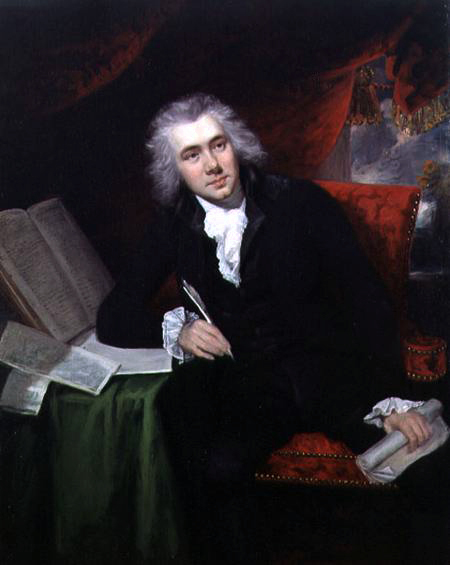
Carried the cause onto the floor and would not sit down. Year after losing year, for eighteen years, until the trade fell.
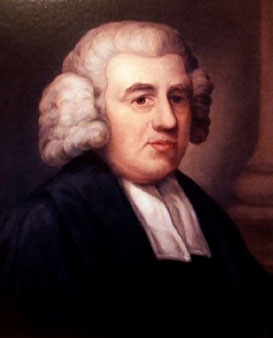
A slave-ship captain grace undid. He told a young Wilberforce to stay in public life, and wrote the hymn the world still sings.
Rode thousands of miles gathering the evidence others would argue from. The unglamorous spadework beneath every speech.
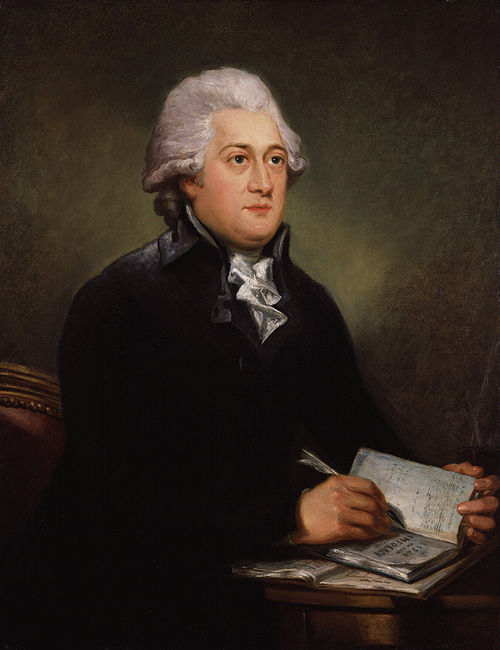
Opened his home and his accounts, turning a private house into the workshop of a movement.
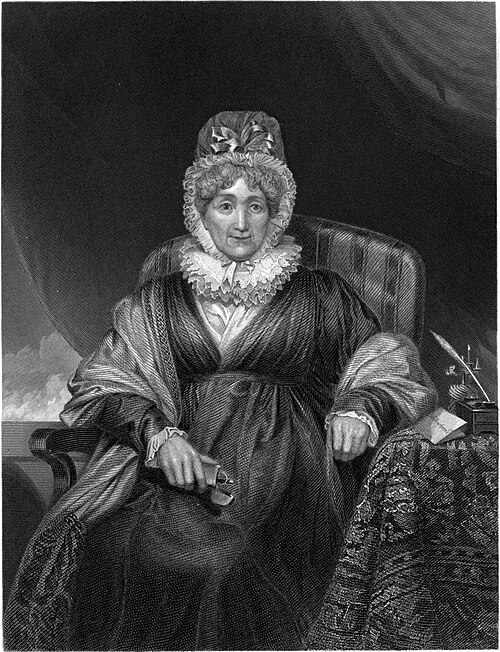
Reached the ordinary reader with tracts, schools, and plain moral courage where argument alone could not go.
Won freedom in the courts before the cause had a name, laying the legal ground the rest would build on.
The lawyer who framed the measure that finally worked: strategy where zeal alone needed a blade's edge.
Having seen slavery with his own eyes, he became the circle's living archive, with every fact at hand when it was needed.
Their parish priest, who kept the household under the ordinary means of grace while it did extraordinary things.
It is tempting to read Clapham as a well-run project: the right people in the right roles. But the roles are not what held it for fifty years. What held it was affection: for the Lord first, and then, unmistakably, for one another. They lived within walking distance on the same common. They raised their children in and out of each other's houses. They prayed together, grieved together, and carried one another's burdens long before and long after any bill was ever passed.
Get the order right and you have a family that can lose for eighteen years and still be standing. Still warm, still at the fire together when the thing finally breaks open.
The gifts served the love. Affection came first; the work was its overflow.
The love serves the gifts. You get a machine: efficient, brittle, and short-lived.
The same circle that broke the slave trade kept bearing fruit in every direction, not because it ran more programs, but because that is simply what a living household does. Programs produce outputs. Families produce generations of fruit.
SageFire is not a platform with an audience. It is a household of differing gifts, bound first by affection for the Lord and for one another, gathered around a fire we did not light. We take the shape seriously because it has already been tried. It held, and it changed the world without ever becoming a machine.
None of this is new.
It is only, we think, worth doing again.
Portraits of the Clapham circle are period works in the public domain, sourced via Wikimedia Commons. The view of Clapham Common in 1790 is an engraving from Old and New London, from the British Library's collections.